One Hour: The Gap Between Rescue and Death in Lebanon
A 21-year-old photojournalist survived a strike in al-Tiri that killed her 42-year-old colleague.
By Christopher Morgan ·
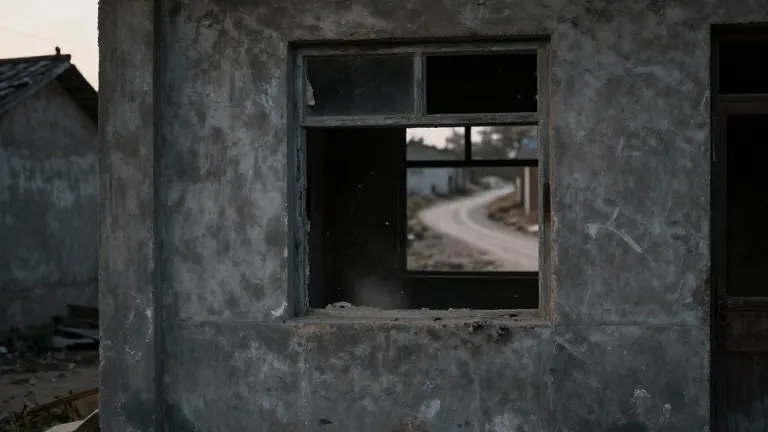
Zeinab Faraj lay trapped under rubble in the village of al-Tiri, waiting for a rescue that seemed impossible. Beside her, her colleague Amal Khalil was unable to move. The two journalists had been documenting the aftermath of the war in southern Lebanon when the strike hit on the afternoon of April 22, 2026.
Faraj, 21, and Khalil, 42, traveled together in a car with two local men. As they approached al-Tiri, they heard gunfire and artillery, which Faraj described as important elements to document for her videography work. The group had met their two companions earlier that day at Tebnine governmental hospital, a location residents considered relatively safe.
A missile struck the vehicle ahead of theirs, causing it to catch fire. Faraj and Khalil exited their car to check on the others. A drone then appeared, hovering low and close to Faraj’s face. She described the sound of the drone’s descent as terrifying, causing her heart to pound.
As they attempted to re-enter their car to follow paramedic instructions, a second missile struck the vehicle. Both women were thrown backward. Khalil wrapped her arms around Faraj as they sought shelter in a nearby house. Faraj sent a final message to her sister before her phone battery died, writing, “There’s no hope left. Forgive me.”
Inside the building, the pair sat on the bathroom floor. Another missile impact sent Faraj flying, pinning her beneath debris. A paramedic reached her shortly after, holding her shoulders as he worked to clear the rubble. He remained with her until they pulled her free, a process Faraj said lasted about an hour.
Khalil died approximately one hour after the paramedics had been allowed to return to the area to rescue Faraj. The Israeli military stated the attack targeted saboteurs violating the ceasefire. Human rights groups labeled the incident a war crime, noting that the military had received repeated requests to allow a rescue operation while the women took shelter.
Faraj is now preparing to return to university, where she is finishing a degree in radio and TV. She walks with a limp and has visible injuries to her hand and face. She wakes at night screaming and remains on edge when she hears the sound of drones or warplanes.
The image of one of the men from the first car, Mohammed Hourani, remains fixed in her mind. She recalls his head turned toward her and his eyes open after the initial strike. Faraj describes the moment as a memory she will never lose.
Source: The Guardian